PCT Patent — US · China · Germany · UK

The Modular
Optomechanical
System

Build complete optical and opto-electronic instruments from off-the-shelf components — without machining, without long lead times, at a fraction of the cost.

Optoform II Modular System
1994
Original Inventor
84%
Cost Savings vs Machined
23
Patented Advantages
4
Patent Countries
Cost Comparison
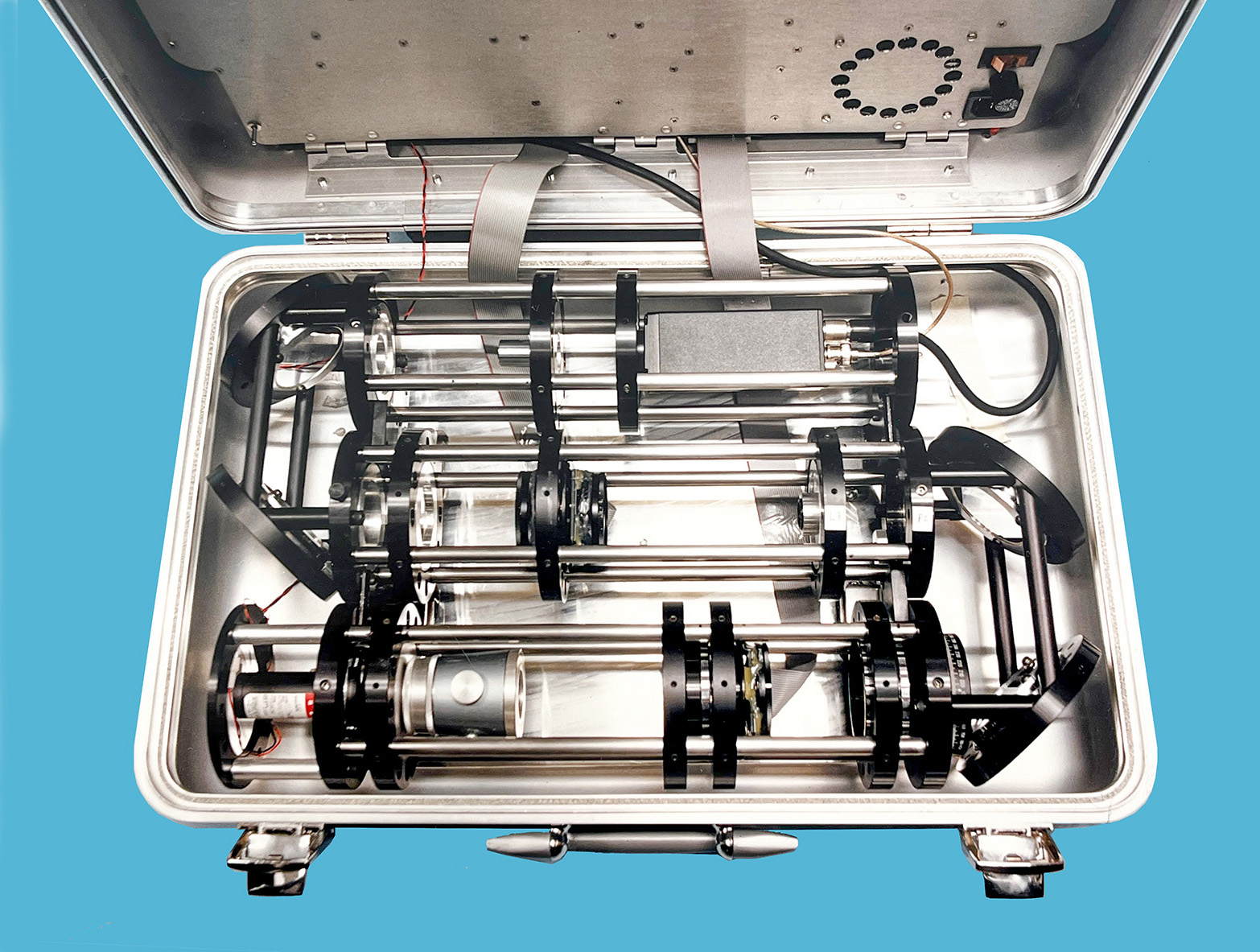
Microscope Housing with Single Detector

The same scanning microscope housing — built two ways. One with conventional machined parts. One with Optoform. The difference speaks for itself.

Machined Parts

$2,100

Custom machined aluminum housing. Fixed design — cannot be rearranged once built.

  • Fixed — cannot be rearranged
  • Heavy — full aluminum block
  • Long lead times
  • Expensive to modify
vs

Optoform II

$325

Off-the-shelf Optoform components. 50% lighter. Fully rearrangeable and expandable.

  • Fully rearrangeable
  • 50% lighter
  • Ships from stock
  • Expandable as needs change
Save $1,775 — 84% reduction
From Machined Parts to Optoform — Step by Step
Page 1 Machined Parts vs Optoform — The Cost Case
Machined vs Optoform comparison
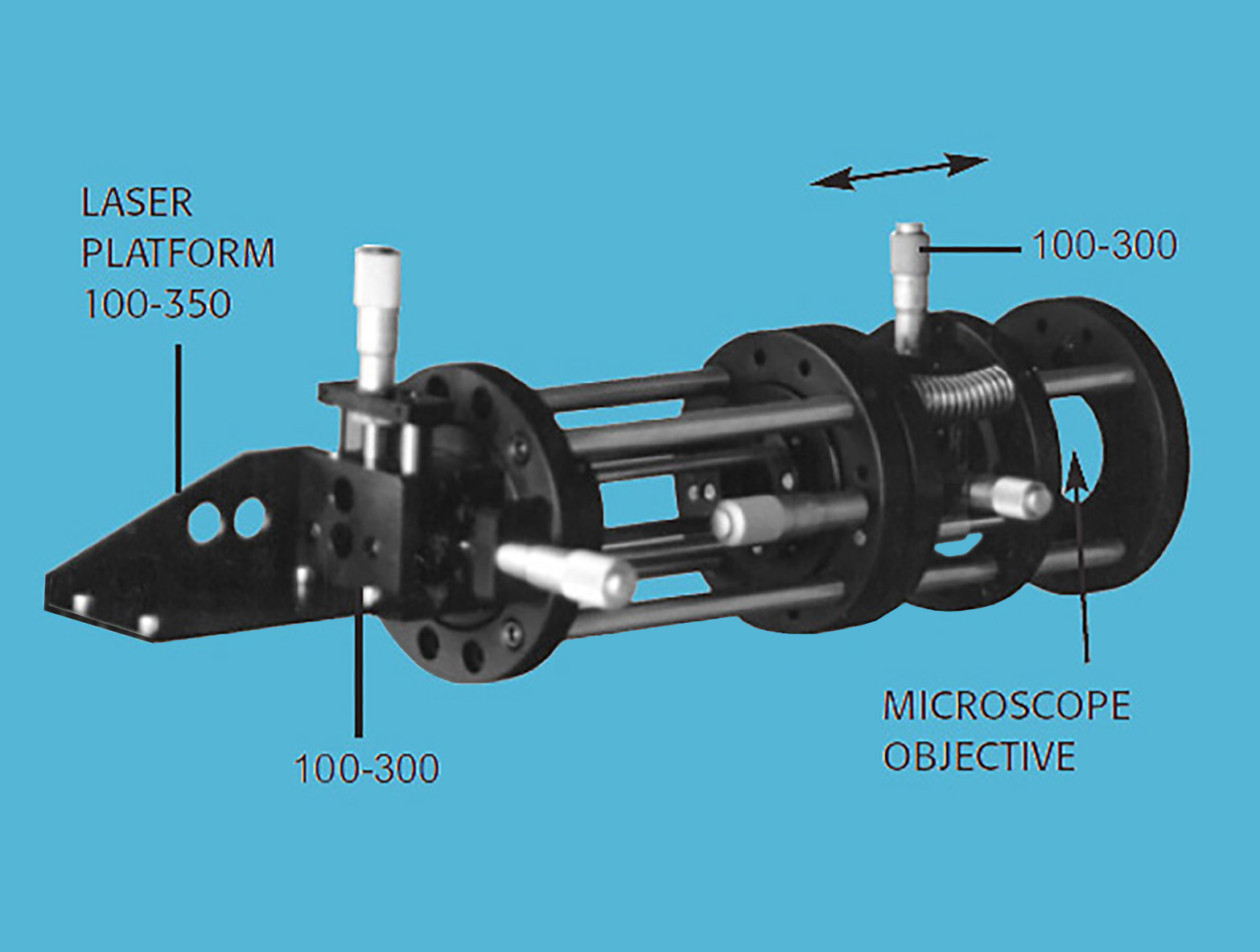
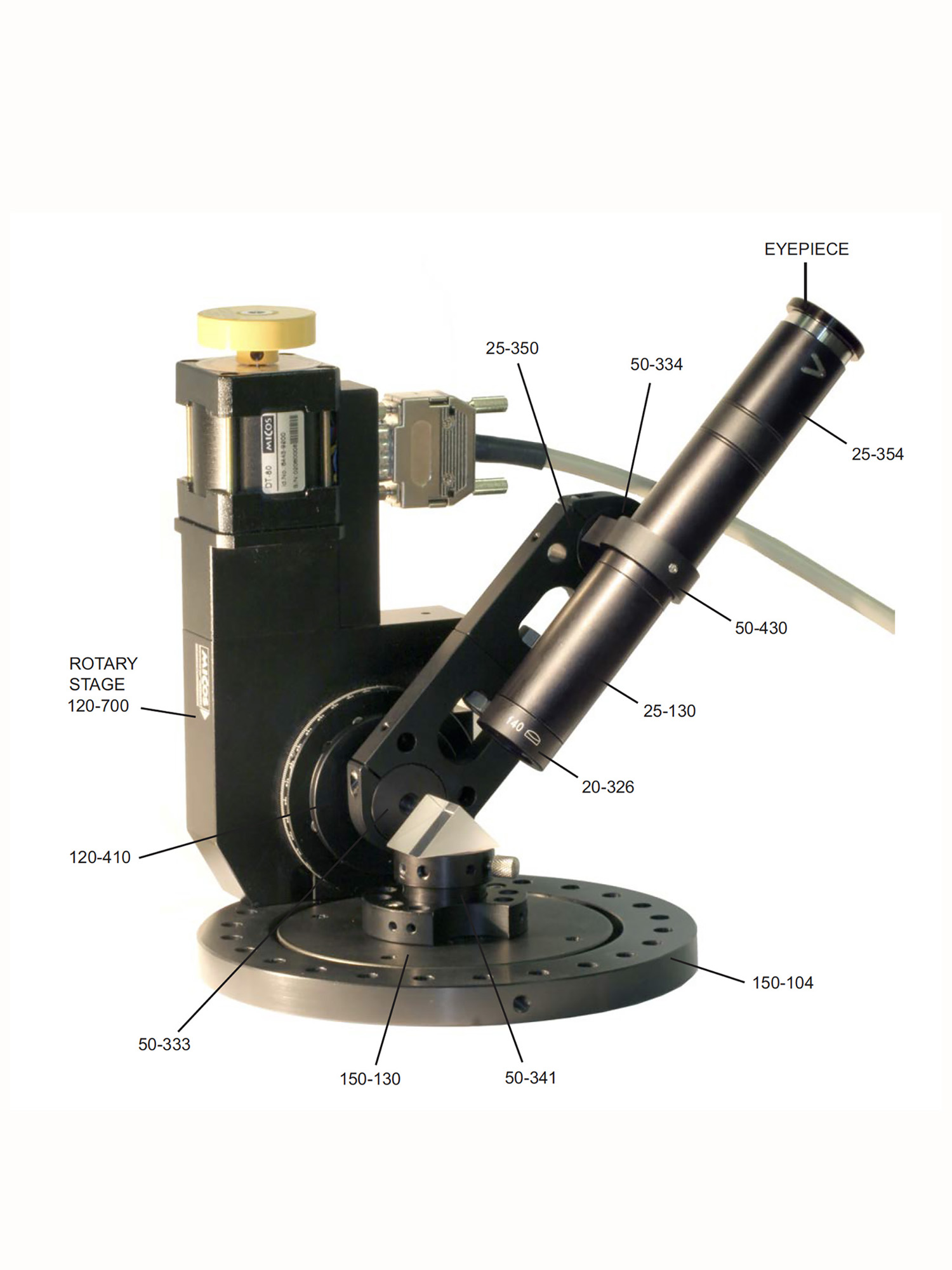
Page 2 Optoform Parts — Exploded View with Part Numbers
Optoform exploded parts view
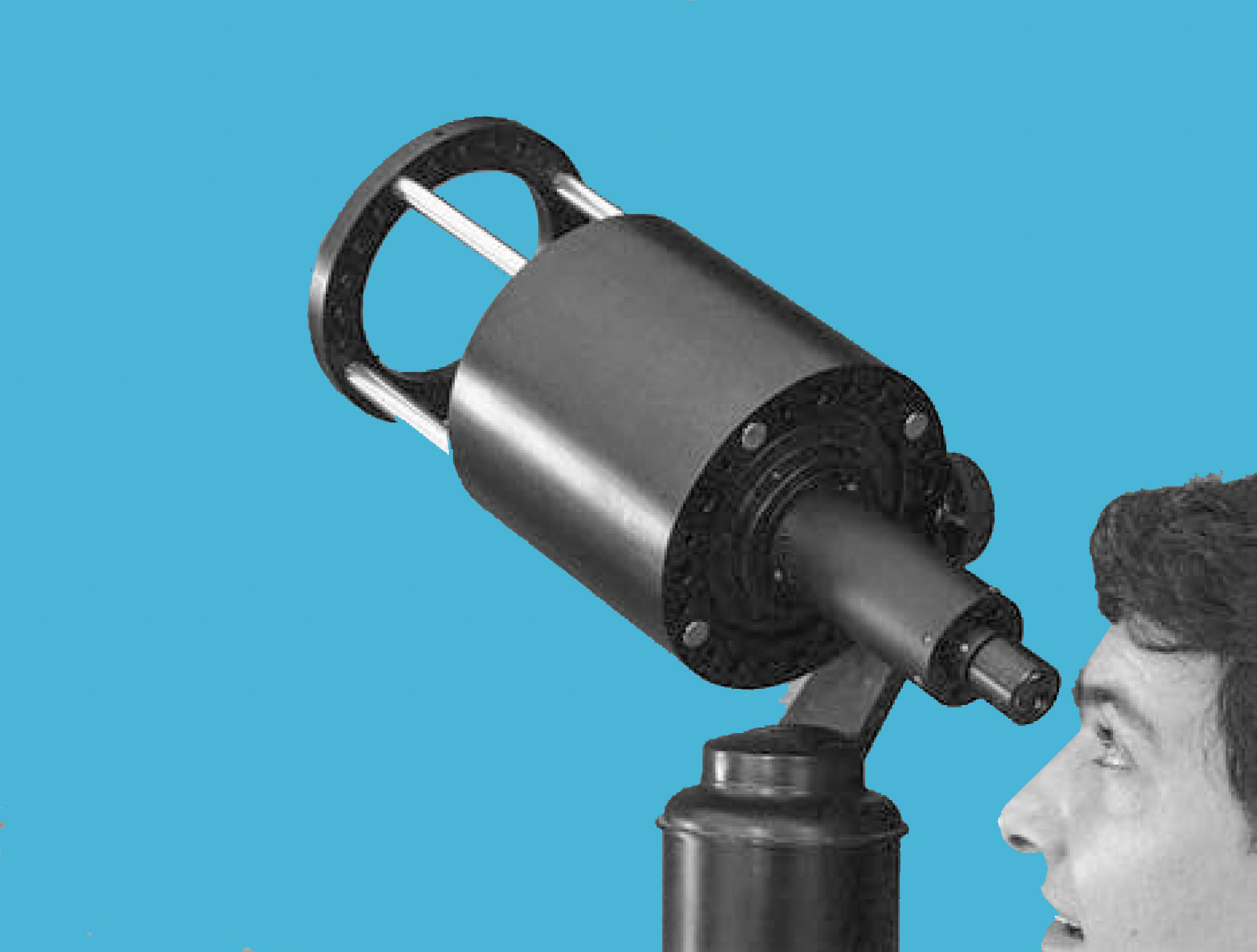
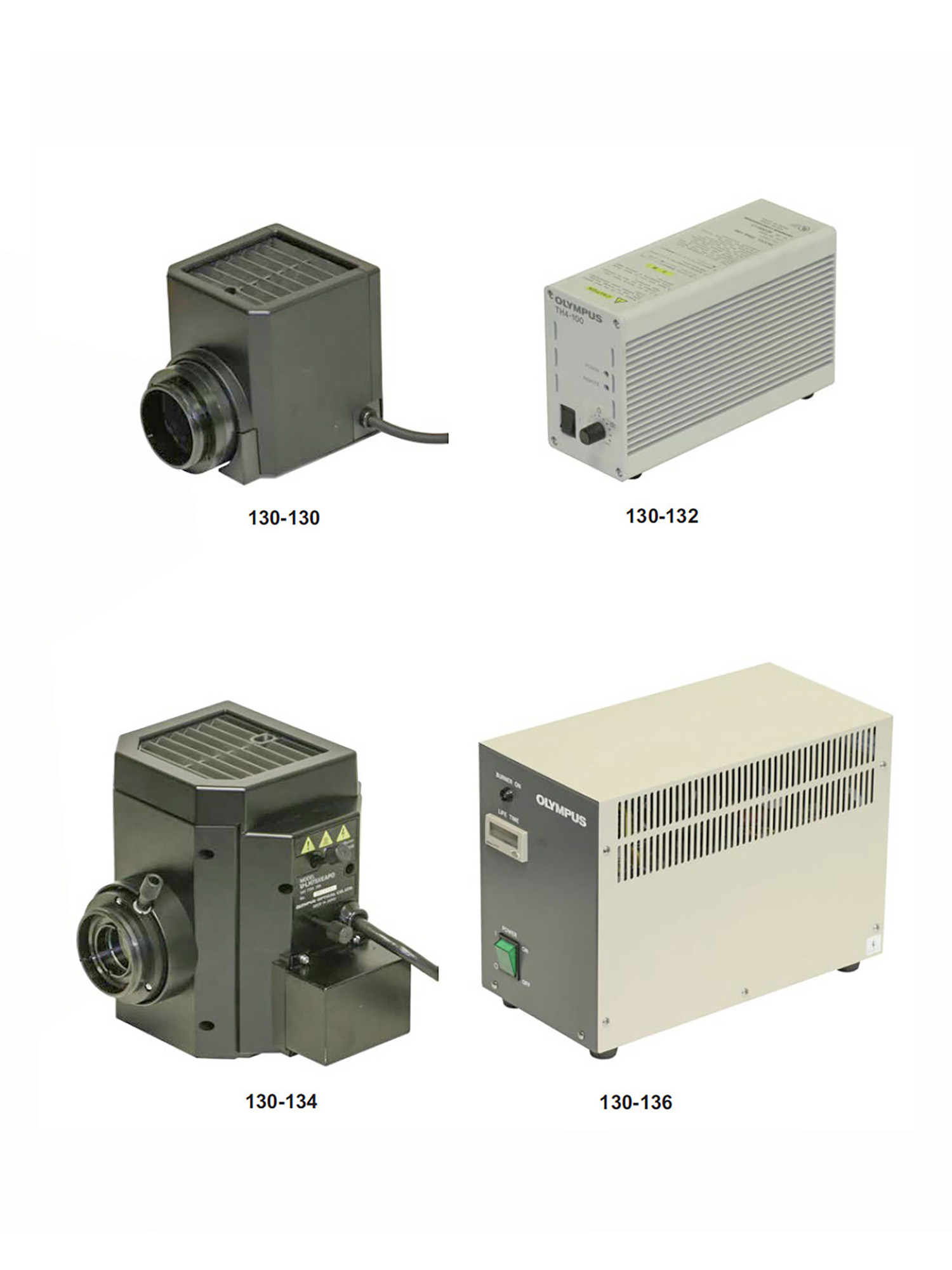
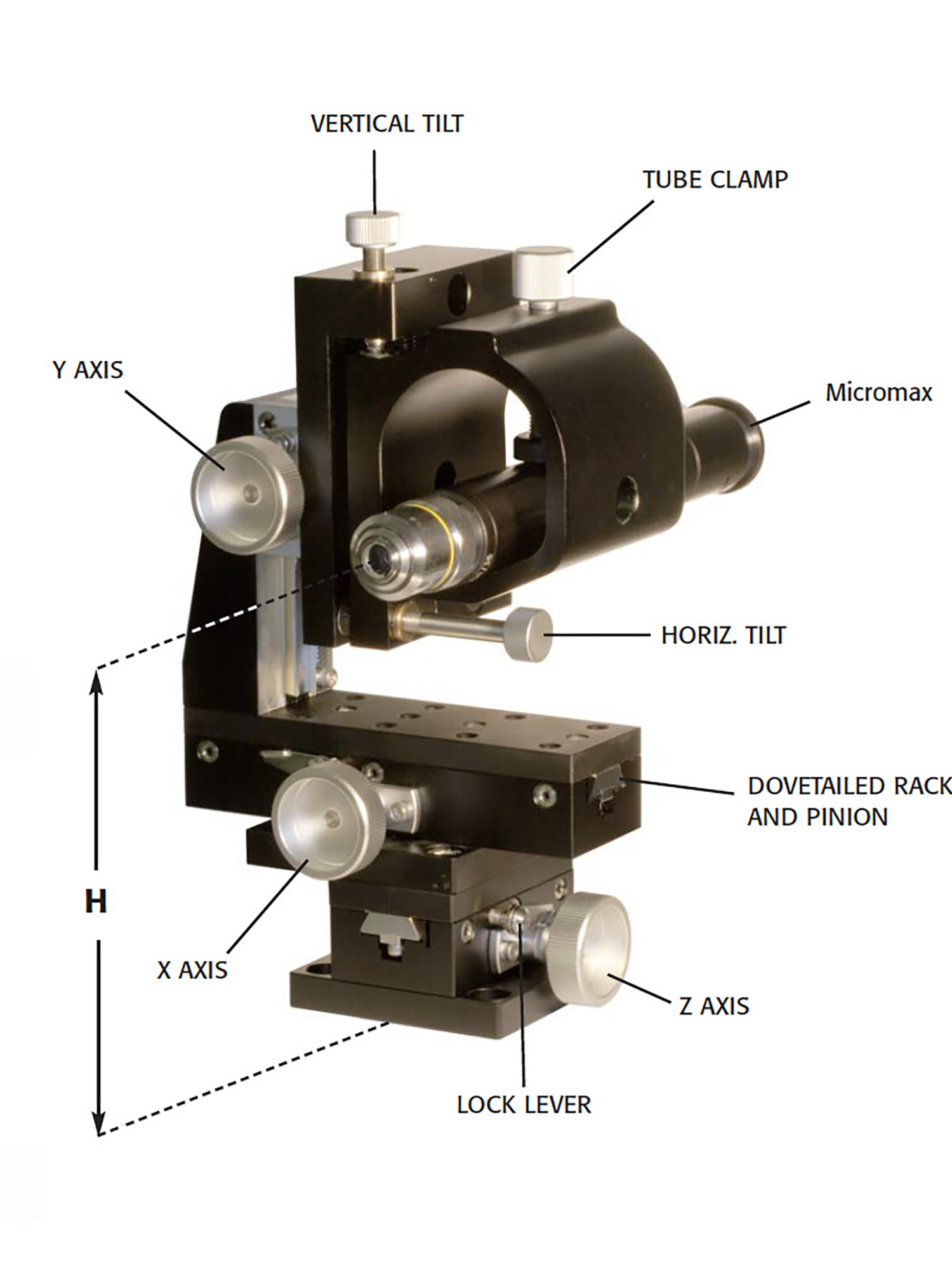
Page 3 Assembly Sequence — Fully Assembled Microscope Housing
Optoform assembly sequence
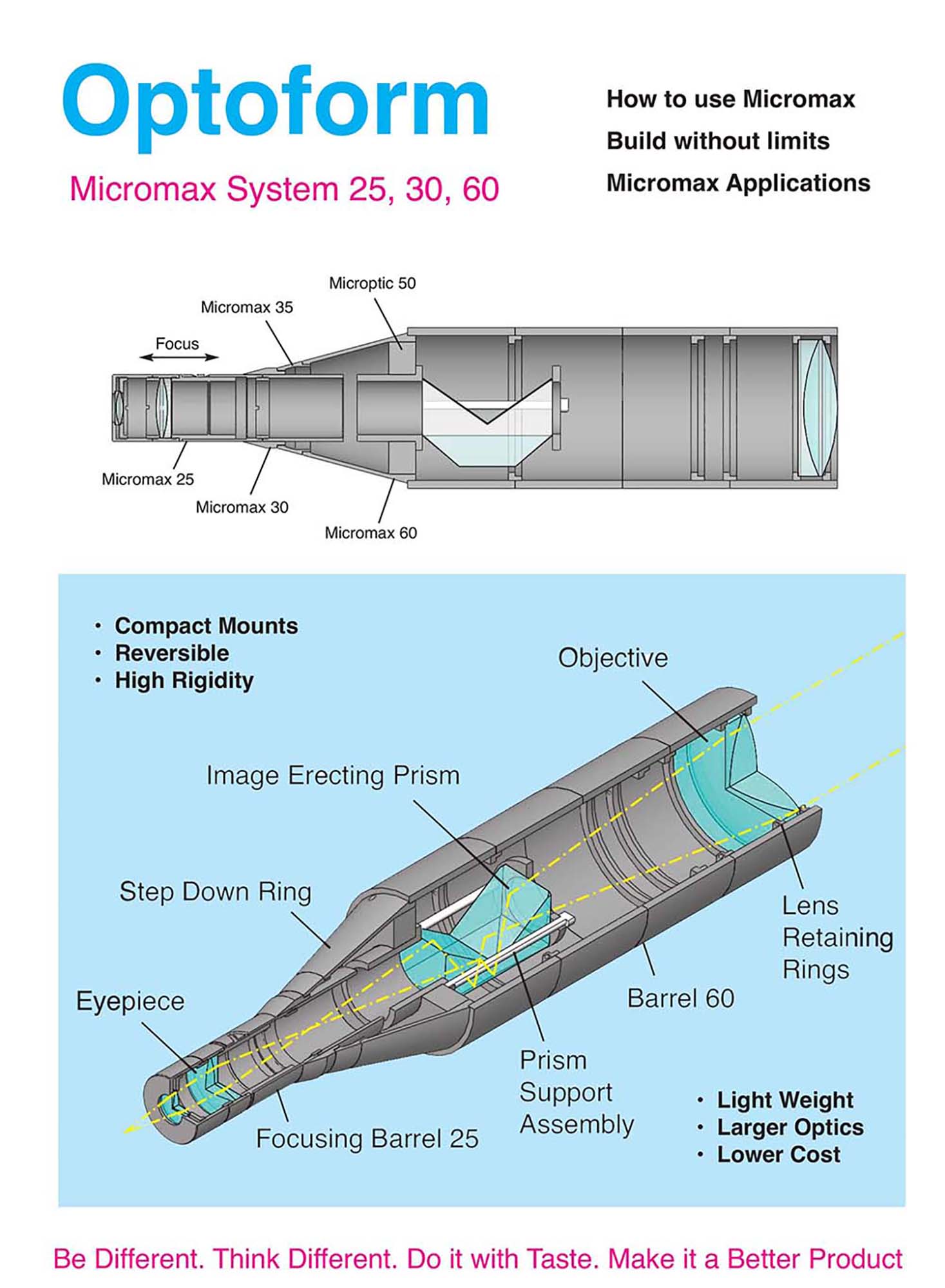
Page 4 Complete Parts List & Dimensional Drawing
Optoform parts list and dimensions
Why Optoform II
Design Improvements on Optoform II

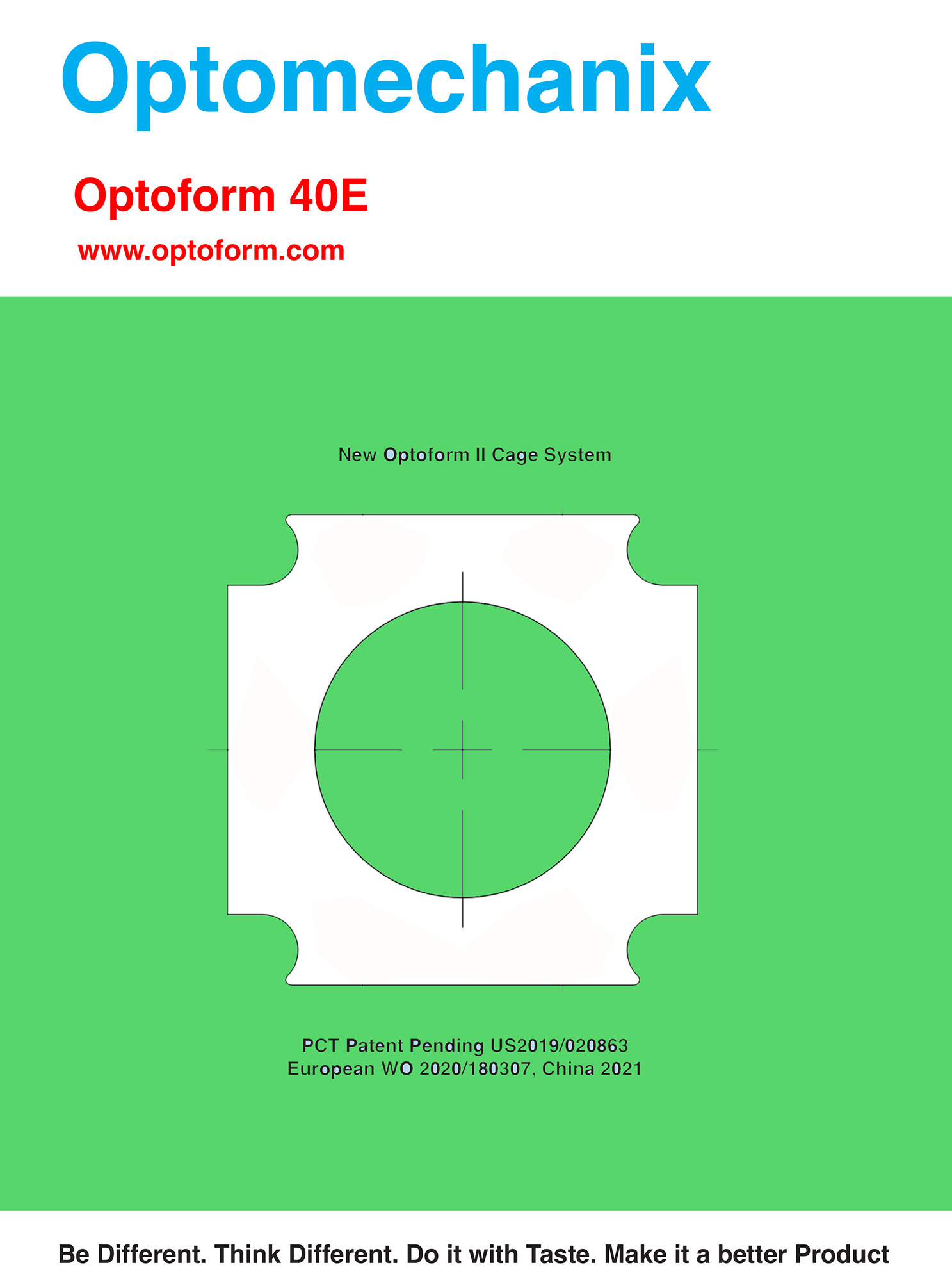
Optoform II introduces significant design improvements over the original Optoform and all competing cage systems including Thorlabs and Microbench. Every improvement is documented in Optomechanix magazine and protected by PCT patent in the US, China, Germany, and the UK. No competitor can replicate this design.

01
Larger optics clearance: 42mm vs 36mm (Thorlabs & Microbench)
02
Lower cost: extruded aluminum vs CNC machined
03
Thinner plates: only 6mm vs 10mm competitors, giving 38mm vs 30mm clearance
04
Lighter weight: 14.5g vs 25.3g (Microbench) and 23.2g (Thorlabs)
05
Less internal reflections: black anodized aluminum rods vs steel
06
More rigidity: Allen screws vs tiny set screws
07
Odd-shaped mounts: square, rectangular, L-shaped flexibility
08
Mathematical bore pattern: elegant 17mm spacing
09
No corner connectors needed: direct face-to-face mounting
10
Mount on the rods: unique capability competitors lack
11
Dual angle rod mounting: unique to Optoform
12
Light seal covers: laser-cut anodized aluminum sheets cuttable with office paper cutter
13
Shift/tilt between subassemblies using Belleville washers
14
Inner/outer rod assembly for extreme compact setups
15
Build around large devices using extension rods
16
Modularity means fewer screws: pre-assembled modules vs individual parts
17
Side and diagonal rod mounting
18
Set up angles with standard mounts
19
Mount inside out: rods bolted to mounts OR mounts bolted to rods
20
Slide along rods: e.g., binocular heads with interpupillary adjustment
21
Build with any number of rods, cut to any length
22
Off-the-shelf modules for OEM applications
23
Comprehensive 5-year user's manual — lavishly illustrated
Credentials & Track Record
30 Years. Proven in the Field.

Optoform has been trusted by the world's leading research institutions since 1994. Now reimagined for a wider market.

OEM Customers

NASA, IBM, MIT, UCSD, Seagate, Stratagene — trusted by the world's leading research institutions.

JPL / Hubble

Inventor Ali Afshari worked on the Hubble Space Telescope repair group at JPL.

PCT Patent

Protected in the United States, China, Germany, and the United Kingdom. Cannot be copied by competitors.

Original Inventor

Invented in 1994 by Ali Afshari — documented by dated magazine ads, catalogs, and Wikipedia citation.

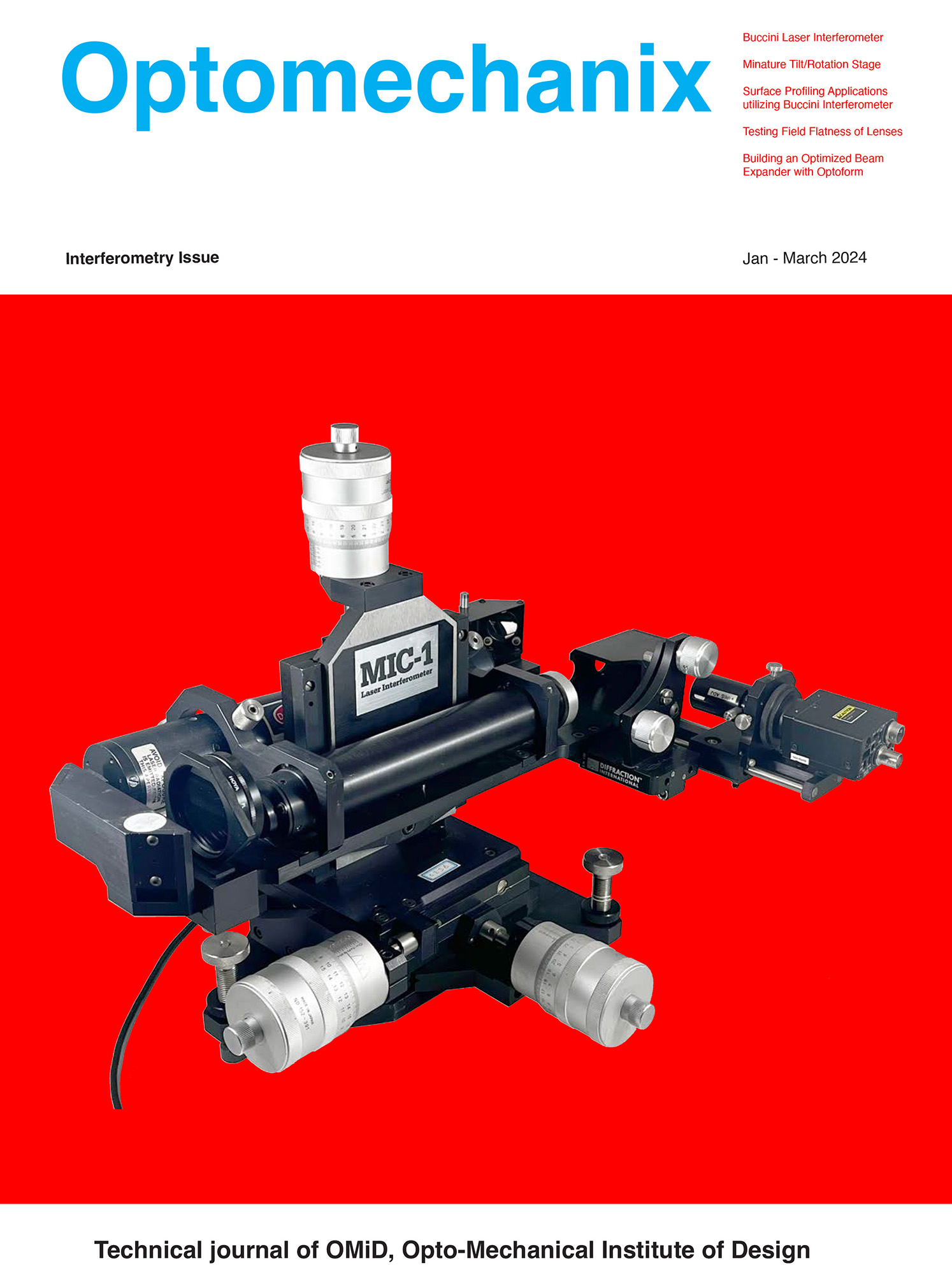
Optomechanix Magazine

33 issues published over 9 years — the only dedicated optomechanics magazine in the world.

Get in Touch
Request a Quote

Interested in Optoform II for your lab, institution, or distribution? We'd love to hear from you.

Website

optoform.com

Magazine

optomechanix.org

Catalog

Download PDF